Skip to content

Population and Community Ecology (PACE) Lab

  • Home
  • Staff
  • PACE Lab News
  • Urban Biotic Assessment Program (UBAP)
  • Amphibian and Reptile Conservation (ARC)
  • Freshwater Mollusk Ecology and Conservation (FMEC)
  • Environmental Education Program (EEP)
  • Research
Posted on July 21, 2018August 21, 2018 by JMM

INHS PACE Lab at Joint Meeting of Ichthyologists and Herpetologists

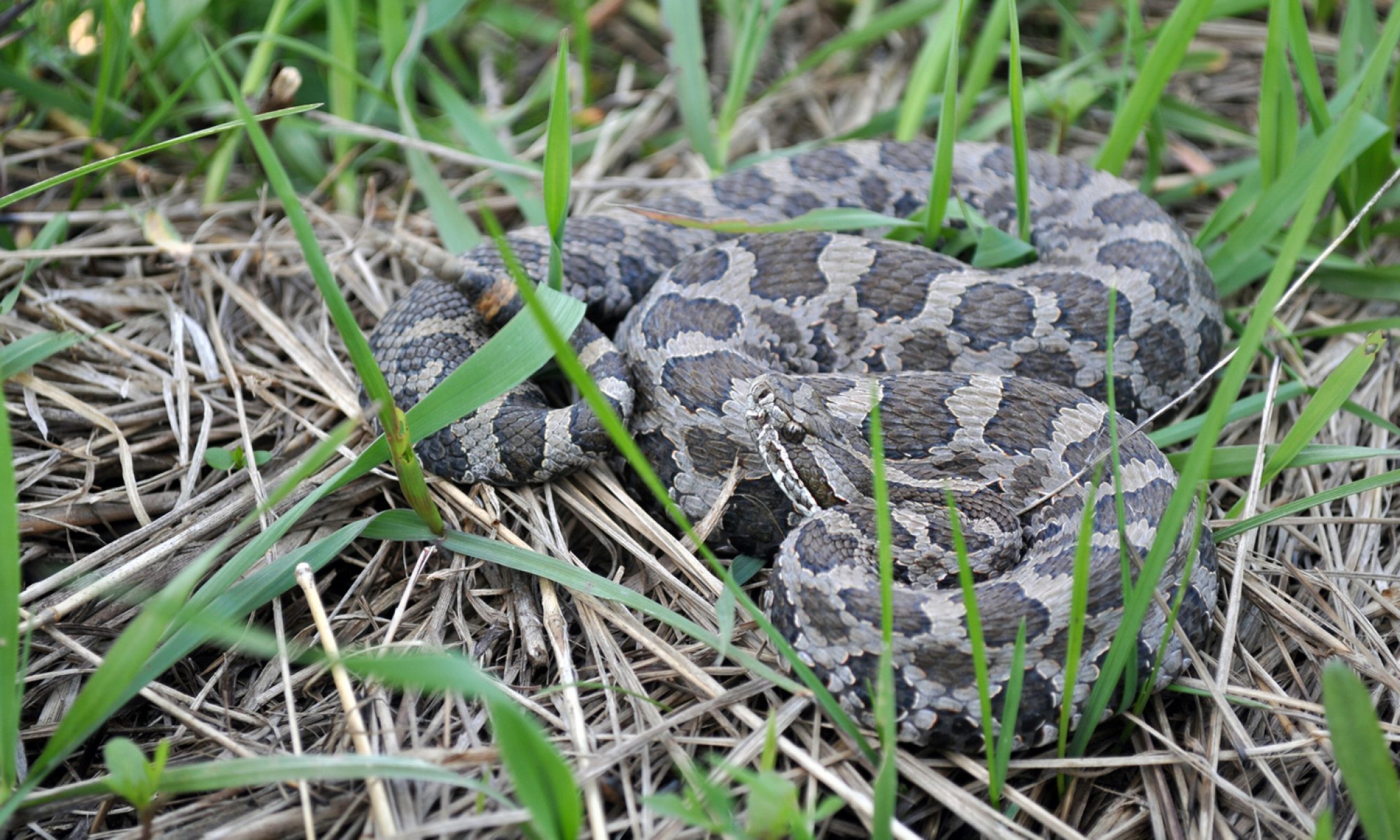
Herpetologist Dr. Sarah Baker presented at the Joint Meeting of Ichthyologists and Herpetologists in Syracuse NY. Her talk was titled: “Snake fungal disease reduces skin bacterial and fungal diversity in an endangered rattlesnake” (co-authors were Matt Allender, Megan Britton, and Angela Kent).

CategoriesARC, Disease, Presentations, Reptiles Tags#INHSPACELAB, #jmih2018

Post navigation

Previous PostPrevious Rusty Patched Bumblebee
Next PostNext The Search for Flying Dragons on the Prairie

Categories

Recent Facebook Posts

INHS PACE Lab

3 weeks ago

INHS PACE Lab
🐛 National Pollinator Week Species Spotlight: Culver's Root Borer Moth (Papaipema sciata) 🐛When we think of pollinators, butterflies and bees are often the first insects that come to mind. However, many moths play important roles as pollinators too!The Culver's Root Borer Moth (Papaipema sciata) is a fascinating species found in high-quality prairie and savanna habitats across the Midwest. As adults, these nocturnal moths visit flowers and can contribute to pollination while feeding on nectar during the autumn months.Their story begins much earlier, however. The caterpillars are specialists that develop within the stems and roots of Culver's Root (Veronicastrum virginicum), a native wildflower that supports a diverse community of insects and is just beginning to bloom throughout the Chicago Region. Because P. sciata depends on healthy populations of its host plant, conserving native plant communities helps protect both this unique moth and the ecological relationships it represents.Like other Papaipema species, the Culver's Root Borer Moth not only plays multiple roles in prairie ecosystems as both an herbivore and a pollinator, but these moths are also closely associated with high-quality prairie remnants and can serve as indicators of healthy native habitats. Their dependence on specific host plants and intact prairie communities makes them particularly vulnerable to habitat loss, fragmentation, and other disturbances.Protecting native plants such as Culver's Root does more than conserve a single species. It helps preserve the intricate relationships that connect plants, insects, and pollinators across our remaining prairies.For more information on Culver’s Root, see the following link: www.illinoiswildflowers.info/prairie/plantx/culverx.htm ... See MoreSee Less

Photo

View on Facebook
· Share

Share on Facebook Share on Twitter Share on Linked In Share by Email

INHS PACE Lab

3 weeks ago

INHS PACE Lab
🌼 National Pollinator Week Species Spotlight: Wood Lily 🌼One of Illinois' most stunning native wildflowers is currently in bloom in the Chicago Region, the Wood Lily (otherwise known as Prairie Lily - Lilium philadelphicum). Its brilliant orange-red blooms, speckled with dark spots, light up prairies in early summer. Beyond its beauty, the Wood Lily plays an important role in supporting pollinators.The large, upward-facing flowers are perfectly suited for some of our most charismatic pollinators. Swallowtail butterflies, Monarchs, and Great Spangled Fritillaries visit Wood Lily flowers to drink nectar while helping transfer pollen between plants. Ruby-throated Hummingbirds, hummingbird moths, and native sweat bees also stop by for a meal. Like many native plants, Wood Lilies supports a diverse community of insects beyond just its pollinators. While some visitors provide important pollination services, others feed on the plant itself. The Crescent-marked Lily Aphid, Purple-spotted Lily Aphid, and the larvae of several native Papaipema borer moths, including the Golden Borer Moth, Burdock Borer Moth, and Stalk Borer Moth, all use Wood Lily as a larval host.Wood Lily is uncommon in northern Illinois and has declined across parts of its range due to habitat loss and over collection from wild populations. Today, it is most often found in high-quality prairies remnants, meadows, and open areas. ... See MoreSee Less

Photo

View on Facebook
· Share

Share on Facebook Share on Twitter Share on Linked In Share by Email

INHS PACE Lab

3 weeks ago

INHS PACE Lab
🦋 National Pollinator Week Species Spotlight: Banded Hairstreak 🐛Meet the Banded Hairstreak (Satyrium calanus), a small butterfly found throughout much of the eastern United States. With its subtle gray-brown wings marked by a distinctive white band and tiny tail-like extensions, this species is easy to overlook but plays an important role in our ecosystems.Unlike some butterflies that lay their eggs on forbs, Banded Hairstreaks are one of 534 lepidopteran whose caterpillars depend on oak trees as their host plant. Adults nectar on a variety of flowering plants throughout the summer, helping transfer pollen as they move from bloom to bloom. Pictured here is a Banded Hairstreak foraging on Hemp Dogbane (Apocynum cannabinum) in Cook County, Illinois. Banded Hairstreaks are often found in oak woodlands, savannas, and woodland edges. Protecting these habitats and planting native forbs can help support not only this butterfly, but the many butterflies species that share its habitat: Striped Hairstreak, Edward's Hairstreak, Red-banded Hairstreak, Horace’s Duskywing, Juvenal's Duskywing, Mourning Cloak, and the Red-spotted Purple.During National Pollinator Week, take a moment to appreciate the diversity of pollinators around us. Even the smallest species contribute to healthy ecosystems and thriving native plant communities. ... See MoreSee Less

Photo

View on Facebook
· Share

Share on Facebook Share on Twitter Share on Linked In Share by Email

Twitter Feed

Twitter feed is not available at the moment.
Proudly powered by WordPress